Your Guide to a Pet-Safe, Non Toxic Hardwood Floor Cleaner for Your Madison Home
- Dec 8, 2025
- 12 min read
The best non toxic hardwood floor cleaner is usually the simplest one-a pH-neutral, plant-based solution that cleans up messes without leaving behind any questionable residues. For most sealed hardwood floors, a bit of white vinegar or gentle Castile soap mixed with water is all you need. It's effective, incredibly budget-friendly, and protects both your family and your home's air quality.
Why Your Madison Home Needs a Non Toxic Cleaner
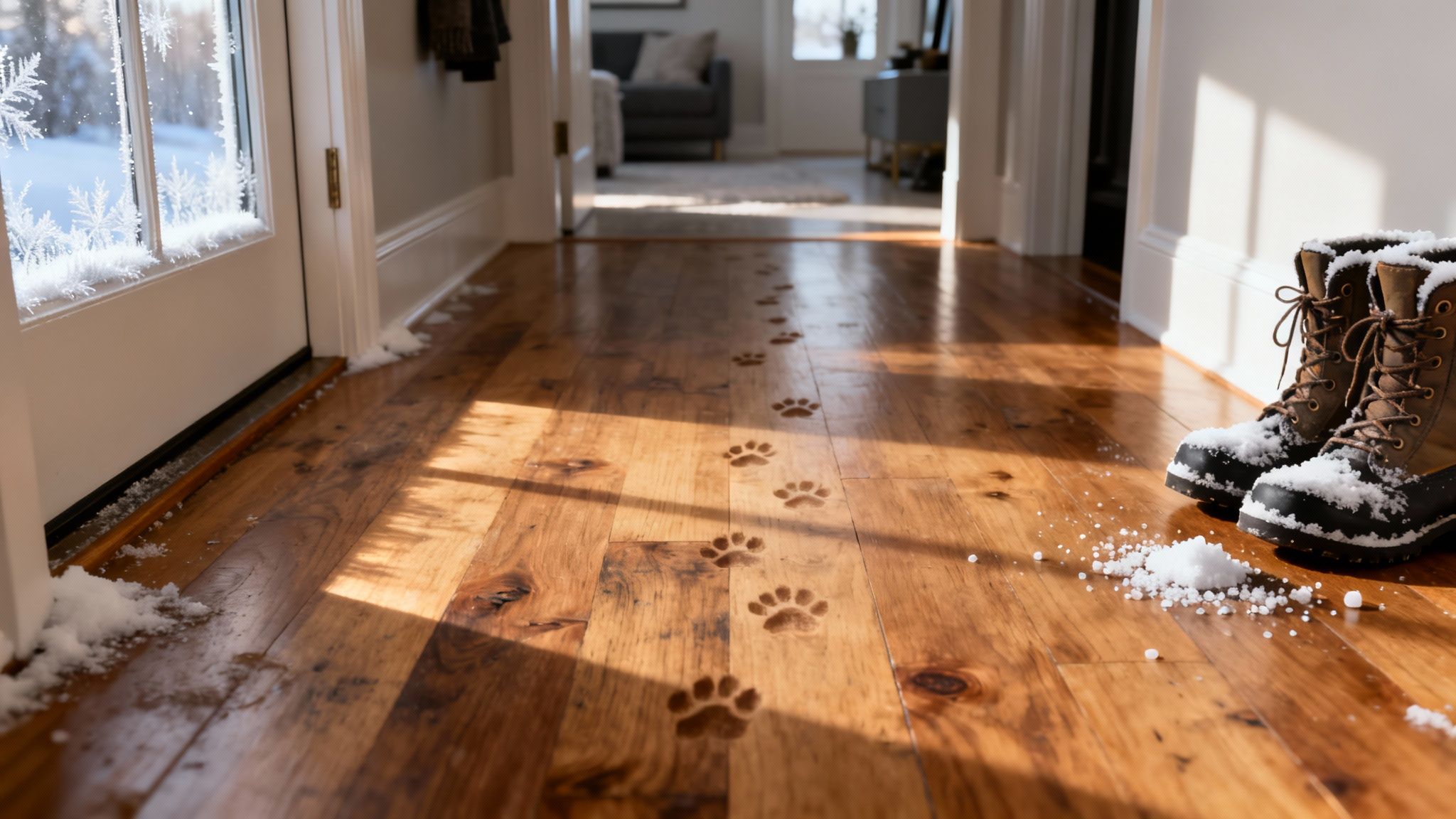
Living in Madison means enjoying four distinct seasons, but that beautiful variety can be tough on our hardwood floors. From slush and rock salt tracked in during our long winters to the fine dust that settles after a breezy summer day by the lake, our floors face a constant barrage. Keeping them clean often requires frequent mopping, which is precisely why the type of cleaner you choose is so important.
Protecting Your Floors and Your Family
Conventional floor cleaners often rely on harsh chemicals like ammonia or strong solvents. Over time, these ingredients can strip the protective finish right off your hardwood, leaving it looking dull, feeling sticky, or even making it more vulnerable to scratches and water damage.
Even more concerning, these products can release volatile organic compounds (VOCs) into the air inside your home. That strong chemical smell isn't a sign of cleanliness-it’s a sign of airborne pollutants that can affect your family and pets. Choosing a non toxic hardwood floor cleaner helps create a healthier living space, a priority for so many of us here in Madison. This shift is part of a bigger picture-the global demand for eco-friendly floor cleaners is surging as more people seek out sustainable, health-conscious options for their homes. You can learn more about the growth of health-conscious cleaning solutions here.
By switching to a non-toxic approach, you’re not just cleaning your floors-you’re preserving their longevity and improving your home's indoor environment. It's about getting a deep, satisfying clean without the chemical compromises.
The Gentle Power of Natural Ingredients
The good news is you don’t need aggressive chemicals to get pristine floors. Simple, natural ingredients are often just as effective at cutting through the daily grime our Madison lifestyles create. This guide will walk you through everything you need to know, from easy DIY recipes to understanding your floor’s specific needs. For a broader look at safe cleaning practices, check out our guide to green cleaning solutions for Madison, WI homes.
Simple DIY Cleaner Recipes You Can Trust
Making an effective non toxic hardwood floor cleaner is way easier than you might think-and you probably already have everything you need right in your pantry. Forget spending money on fancy bottles with long lists of mystery chemicals. Simple, hardworking ingredients can get your Madison floors sparkling clean without any harsh fumes or weird residues left behind.
The real key to a great DIY cleaner is balance. You need just enough cleaning power to lift dirt and grime without being too harsh on your floor's protective finish, which is exactly why getting the dilution right is so important.
Your Go-To Weekly Mopping Solution
For regular upkeep on sealed hardwood floors, a gentle vinegar solution is a fantastic, reliable choice. White vinegar's mild acidity is perfect for cutting through the everyday dust and light films that build up, especially in homes near the lakes where a fine layer of dust seems to settle on everything.
This classic recipe never fails:
Mix: 1/2 cup of white vinegar with one gallon of warm water.
Optional: Add 5-10 drops of a pet-safe essential oil (like lavender or lemon) for a light, fresh scent.
How to Use: Dip a microfiber mop into your mix, wring it out until it's just damp, and mop in the direction of the wood grain. The floor should air-dry in a minute or two.
This simple mix is a staple for a reason. It cleans effectively, leaves no streaks, and costs practically nothing to make. For a deeper dive into safe household cleaning, check out our guide on natural cleaning methods for your home.
A Stronger Mix for Tougher Spots
After a long Madison winter, the entryway can look a little rough with salt residue and tracked-in grime. For these high-traffic areas or sticky spots in the kitchen, adding a bit of gentle soap provides that extra lifting power you need.
Why Castile Soap? Unlike many dish soaps that contain degreasers and synthetic detergents that can damage wood finishes, pure Castile soap is a vegetable-based soap that cleans without stripping. It's gentle, biodegradable, and surprisingly effective.
Here's how to whip up a slightly stronger solution:
Combine: One gallon of warm water, 1/4 cup of white vinegar, and just one or two teaspoons of unscented liquid Castile soap.
Application: Use the same damp-mop technique. Because there's soap in this mix, it’s a good idea to go over the area once more with a separate mop head dampened with plain water. This ensures no residue is left behind.
The shift toward safer, bio-based ingredients isn't just a niche trend anymore. The global market for these types of cleaners was valued at around $2.3 billion in 2023 and is expected to more than double by 2032 as more people ditch harsh chemicals. It's clear that gentle, effective cleaning is here to stay.
To make things even easier, here's a quick-reference table with our go-to recipes.
DIY Non Toxic Hardwood Floor Cleaner Recipes
Recipe Purpose | Ingredients | Instructions |
|---|---|---|
Weekly Maintenance | • 1 gallon warm water• ½ cup white vinegar• 5-10 drops essential oil (optional) | 1. Mix all ingredients in a bucket.2. Wring mop until just damp.3. Mop in the direction of the wood grain. |
Tougher Grime | • 1 gallon warm water• ¼ cup white vinegar• 1-2 tsp Castile soap | 1. Combine ingredients well.2. Damp-mop the floor.3. Do a quick second pass with a water-dampened mop to rinse. |
These recipes cover most everyday cleaning needs and keep your hardwood floors looking their best without exposing your family or pets to unnecessary chemicals.
How to Clean Different Hardwood Finishes Safely
Picking a non-toxic hardwood floor cleaner is a great start, but it's not the whole story. Not all hardwood is created equal. Just like you wouldn’t use the same soap on your face as you do on your hands, different floor finishes need slightly different care to stay looking their best.
Getting this part right is the key to protecting your investment and avoiding those dreaded dull, streaky floors. The good news is, you don’t need to be a flooring expert to figure it out. A simple trick can tell you almost everything you need to know about the floors right here in your home.
The Simple Water-Drop Test
To figure out what kind of finish you’re dealing with, try this ridiculously easy test. Find a hidden spot on your floor-maybe inside a closet or under a big piece of furniture-and place a single drop of water on the wood.
Now, watch what it does.
If the water beads up: You almost certainly have a modern, sealed finish like polyurethane or urethane. This is fantastic news! These floors are tough and can handle gentle, damp mopping with your DIY solution.
If the water slowly soaks in: Your floors likely have a penetrating oil or wax finish, which is more common in older homes. These floors need a lighter touch and way less moisture.
If the water soaks in immediately: Uh-oh. This means your floors might be unfinished or the protective seal has completely worn away. You have to be extremely careful with water on these surfaces.
This little test takes all the guesswork out of it, giving you the confidence to clean the right way.
Cleaning Sealed Hardwood Floors
For floors with a tough, modern seal (the ones where water beaded up), the goal is to clean without over-saturating the wood. Even with a great finish, too much water can still sneak into the seams between the boards and cause trouble down the line.
A high-quality microfiber mop is your absolute best friend here. It grabs onto dirt and grime without needing a ton of liquid. Just dip your mop into your non-toxic cleaner, wring it out until it’s barely damp to the touch, and clean in the direction of the wood grain. The surface should dry within a minute or two. For more ideas on essential supplies, check out our guide on the best tools for deep cleaning your home.
Key Takeaway: For sealed floors, "damp" is the magic word. A sopping wet mop is the fastest way to cause potential damage, even with a safe, non-toxic cleaner.
Caring for Oiled or Unsealed Floors
If that water drop soaked right into your floor, your cleaning strategy needs to be much, much drier. For these beautiful, more delicate surfaces, regular sweeping or vacuuming with a soft brush attachment is the most important thing you can do.
When you do need to tackle a grimy spot, use a very lightly dampened cloth with your cleaning solution instead of a full-on mop. To keep them looking their best, these floors benefit from occasional conditioning with a product made specifically for oiled wood. It nourishes the material and brings back its natural luster. With these classic floors, less is always more.
This simple flowchart can help you visualize which approach is best for your situation.
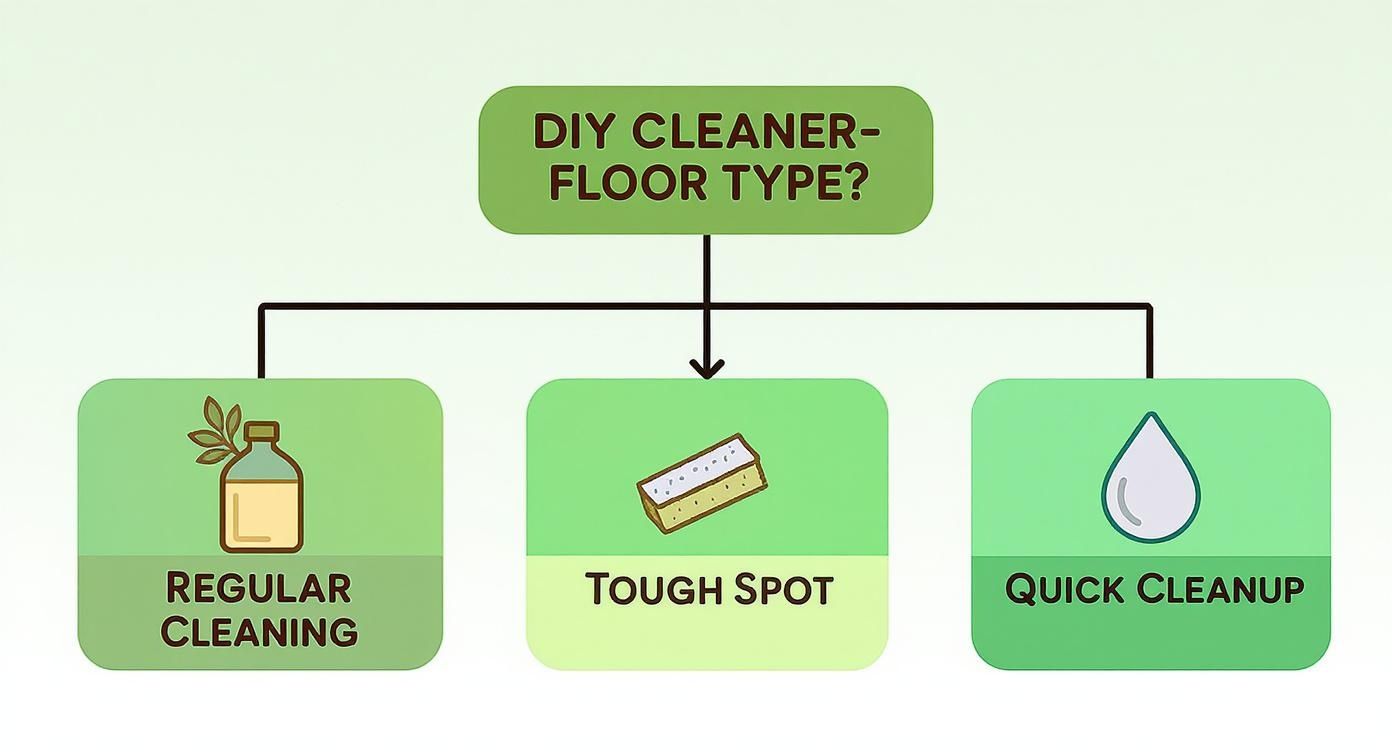
As the guide shows, matching your cleaning technique-whether it's a weekly mop, a targeted spot treatment, or just a quick wipe-to your specific floor type is what safe and effective cleaning is all about.
Common Mistakes to Avoid When Cleaning Hardwood
Even with the perfect non-toxic hardwood floor cleaner, a few common missteps can accidentally leave your beautiful floors looking dull, streaky, or even damaged. Think of this as friendly advice from someone who’s seen it all-and wants to help you avoid the same pitfalls.
Protecting your investment is often more about what you don't do than what you do.
The biggest mistake we see? Using too much water. It’s so tempting to think a wetter mop means a deeper clean, but for hardwood, it’s a recipe for disaster. Excess water can easily seep between the planks, causing them to swell, warp, or cup over time. Your microfiber mop should always be wrung out until it’s just barely damp to the touch.
Another common issue is letting spills sit. A quick wipe-up is all it takes to prevent moisture from soaking in and causing a permanent stain or dark spot. It's a good habit to keep a dry cloth handy, especially in the kitchen or near entryways, to tackle spills the moment they happen.
Using the Wrong Tools and Ingredients
The tools you use are just as important as the cleaner itself. While it might seem powerful, a steam mop is one of the worst things for a hardwood floor. The combination of high heat and moisture forces steam deep into the wood grain, which can damage the finish and often void your floor's warranty.
Similarly, some popular DIY ingredients are just too harsh for wood.
Pure Lemon Juice: The high acidity can eat away at your floor’s protective finish over time.
Baking Soda: Its abrasive nature can leave tiny scratches that dull the surface, making it look worn out.
Harsh Multi-Surface Cleaners: These often contain chemicals that aren't pH-neutral, which can strip the seal right off your wood.
When it comes to cleaning wood, gentle is always better. Stick to a properly diluted, pH-neutral solution to ensure you're cleaning the surface without damaging the delicate finish underneath.
The Rise of Safer, Versatile Cleaners
Thankfully, finding safe products is getting easier. The growing preference for versatile and safe cleaning solutions is clear, with multisurface cleaners safe for hardwood expected to account for around 35% of the floor cleaner market in 2025.
This trend shows that homeowners are actively seeking out products that are both effective and gentle on their investments. You can discover more insights about the floor cleaner market here.
By avoiding these common mistakes, you’re not just cleaning your floors-you’re actively preserving them. A gentle non-toxic solution, a damp microfiber mop, and quick action on spills are your best tools for keeping your Madison hardwood floors looking beautiful for years to come.
When to Book a Maid Service in Madison WI
Your DIY non-toxic hardwood floor cleaner is fantastic for day-to-day upkeep. It’s perfect for handling the dust, crumbs, and minor spills that are just part of a busy life.
But some jobs call for more than just maintenance. After a long, slushy Madison winter tracks in salt and grime, or when you’re facing a big move out cleaning in Fitchburg, your floors need a deep, restorative reset that a quick mopping just can't deliver. Knowing when to call for backup is the key to keeping your hardwood looking its best for years to come.
Sometimes, even with consistent cleaning, you might notice a stubborn dullness that won’t go away or a layer of grime that seems to have settled right into the wood grain. Those are sure signs it’s time to bring in a professional.
Partnering With Your Non-Toxic Routine
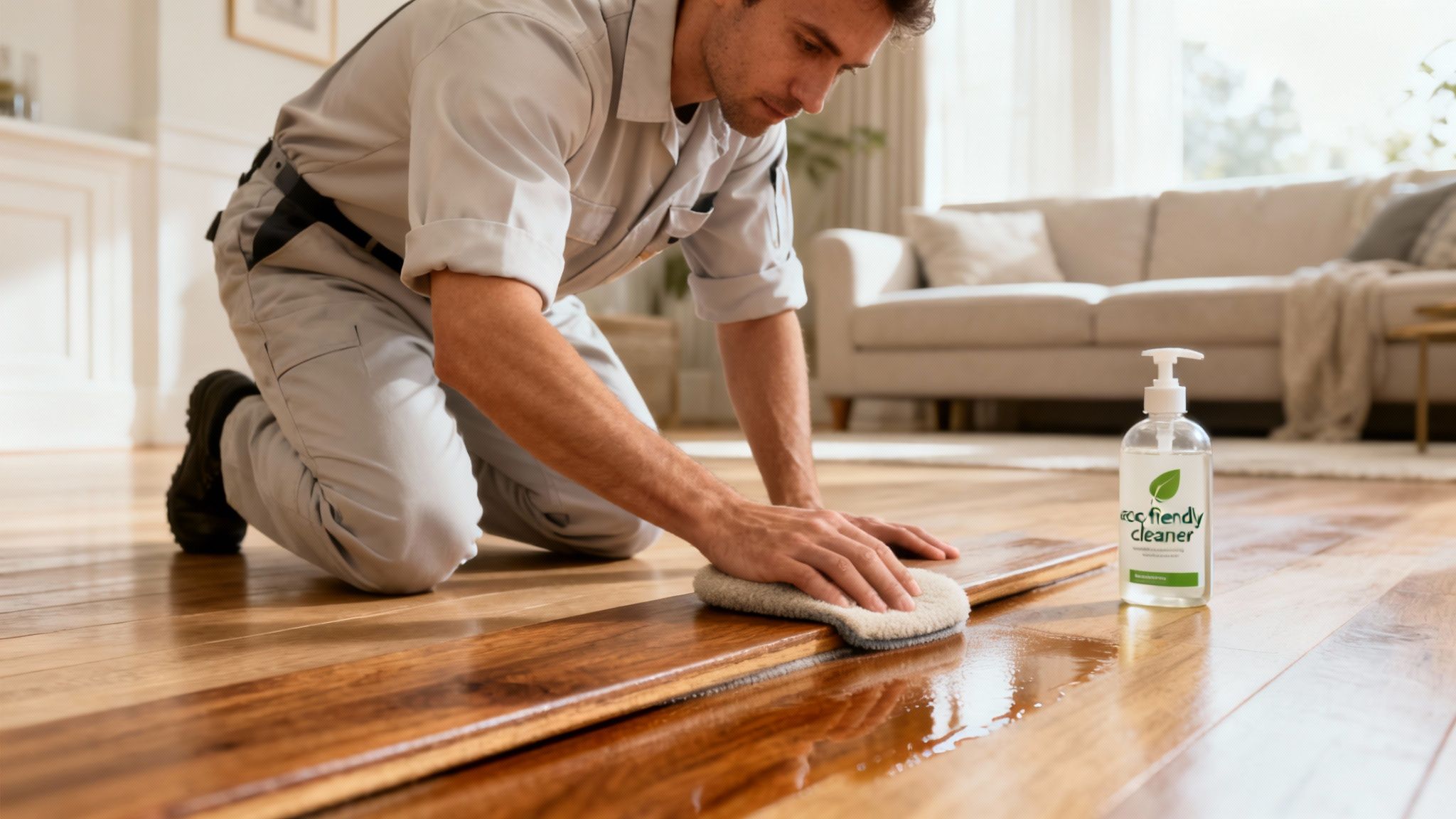
Hiring a professional cleaning service doesn't mean ditching your commitment to safe, eco-friendly products. At Shiny Go Clean, we're your local Madison experts, and we believe in using cleaners that are as gentle on your family as they are on your floors. We're more than happy to use our proven, non-toxic products to give your hardwood the deep clean it deserves.
We see ourselves as the perfect partner for your non-toxic lifestyle. You handle the day-to-day, and we bring in the heavy-duty equipment and expertise when you need it most, ensuring a seamless, healthy clean from top to bottom.
Our experienced team understands the unique challenges Madison floors face, from entryway salt residue to the fine dust that blows in from the lakes. We know how to care for every type of hardwood finish, restoring its natural shine without relying on harsh chemicals.
For a complete look at what a professional service can do for you, check out our guide on finding deep cleaning services in Madison, WI.
DIY Upkeep vs Professional Deep Clean
Knowing when to tackle a job yourself and when to call us in can save you time and keep your floors in top shape. Here’s a quick comparison to help you decide.
Cleaning Task | Recommended for DIY | Best for Shiny Go Clean |
|---|---|---|
Daily Sweeping/Dusting | ✅ | |
Spot Cleaning Spills | ✅ | |
Weekly Mopping | ✅ | |
Removing Deep Grime | ✅ | |
Restoring Shine | ✅ | |
Move-In/Move-Out Cleans | ✅ | |
Post-Renovation Cleanup | ✅ | |
Seasonal Deep Cleans | ✅ |
Your regular cleaning is essential for maintenance, but for those bigger tasks that require specialized tools and knowledge, we're here to help.
Whether you're getting your home ready for an open house, cleaning up after a renovation project, or just want to give your floors a fresh start, our team is ready. Let us give your hardwood the professional care it needs to truly shine.
Ready for a refresh? Give us a call today at (608) 292-6848 for a free, friendly quote for your Madison home.
Your Questions About Non Toxic Floor Cleaning Answered
We get a lot of questions from our Madison neighbors about keeping hardwood floors beautiful the natural way. It makes perfect sense-you want what's best for your home and family. Here are some quick, helpful answers to the questions we hear most often.
How Often Should I Clean My Hardwood Floors
Figuring out the right cleaning rhythm is key to protecting your floors without overdoing it. A good routine prevents the tiny particles of grit and dust from acting like sandpaper on your floor’s finish every time someone walks by.
For daily upkeep, a quick sweep or vacuum with a soft brush attachment a few times a week is your first line of defense against scratches. It’s a simple step, but it makes a huge difference.
When it comes to mopping with your non toxic hardwood floor cleaner, once a week is usually perfect for most rooms. However, high-traffic areas like the kitchen or your entryway will need a bit more attention, especially during a slushy Madison winter. In those spots, you might want to mop every few days to keep grime from building up.
The single most important tip? Wipe up spills the moment they happen. Quick action with a dry cloth is the best way to prevent stubborn spots or lasting water damage.
Is Vinegar Really Safe for All Hardwood Floors
This is a fantastic question, and the answer is a firm "it depends." For the vast majority of modern homes in Madison with sealed polyurethane finishes, a highly diluted white vinegar solution is generally safe and incredibly effective.
The key is the ratio: never use more than a half-cup of white vinegar per gallon of water. Any stronger, and the acidity could start to dull the finish over time.
However, you should never use vinegar on unsealed, waxed, or oiled floors. These more delicate finishes are common in some of Madison's charming older homes. The acid in vinegar can strip these finishes, leaving the wood exposed and vulnerable. If you're not sure what you have, always test your cleaning solution in a hidden area first, like inside a closet or under a large rug.
Can I Add Essential Oils to My DIY Cleaner
Absolutely! Adding a few drops of your favorite essential oil is a wonderful way to bring a fresh, natural scent into your home as you clean. It’s a simple touch that makes the whole house feel brighter.
Some popular choices we see are:
Lavender for a calming, clean aroma.
Lemon for that bright, just-cleaned scent.
Tea tree oil for its natural antibacterial properties.
Just use them sparingly-about 10 drops per gallon of your cleaning solution is plenty. One crucial note for pet owners: if you have pets, especially cats, please double-check that the oil you choose is safe for them. Some essential oils can be harmful if they lick their paws after walking on a freshly cleaned floor.
Why Do My Floors Look Cloudy After I Clean Them
Dealing with a cloudy or hazy film on your floors after you’ve put in all that effort is so frustrating, but it’s usually an easy fix. More often than not, the culprit is one of three things.
First, you might be using too much cleaner in your water. With any non toxic hardwood floor cleaner, a little really does go a long way. Try cutting the amount of soap or vinegar you use in half and see if that clears it up.
Second, it could be mineral deposits from hard water, which we sometimes see in the Madison area. Switching to distilled water for your mopping solution can solve this problem instantly.
Finally, make sure you're starting with a clean microfiber mop head. A dirty mop will just spread a thin layer of old grime around, which looks like a hazy film when it dries. A fresh mop head ensures a streak-free shine every time.
When your floors need more than just a weekly wipe-down, Shiny Go Clean is here to help. Our professional teams use safe, effective products to restore the deep-down clean and beautiful shine to your Madison home's hardwood. Book your cleaning today and let us handle the details!