Your Practical Guide to Cleaning Out the Attic in Des Moines
- Jan 22
- 13 min read
Cleaning out the attic is a big project- there's no getting around it. For most homes in the Des Moines area, you're looking at at least a full weekend of dedicated work. But the payoff is huge: a safer, more organized storage space that actually works for you.
Your Attic Cleanout Game Plan
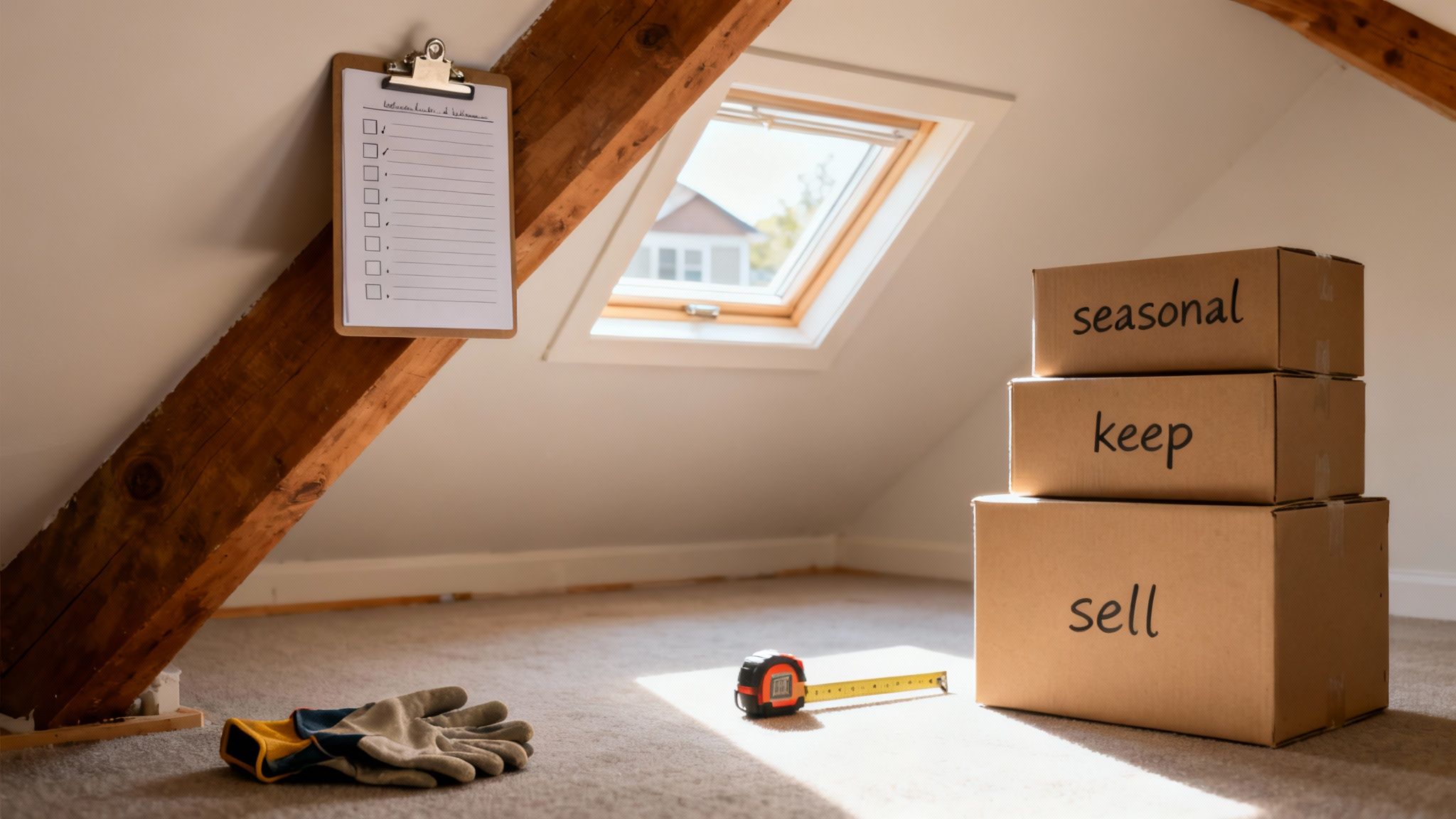
Facing a cluttered attic can feel like staring up at a mountain, especially for busy families in West Des Moines or Johnston. That space above your head often becomes a catch-all for holiday decorations, old furniture, and boxes of forgotten memories. The idea of sorting through it all is daunting, turning a practical task into a major source of stress.
This feeling of being overwhelmed is incredibly common. In fact, some studies show that 70% of homeowners report feeling overwhelmed by home organization tasks, which has led to a 25% increase in demand for seasonal deep cleans since 2020. With many local homes having attics averaging 500-1,000 square feet, it's no surprise that professional help is often called in to prevent issues like mold, which can affect 1 in 5 attics.
Setting a Realistic Foundation
The goal is to transform this chore from a burden into a straightforward, achievable project. Whether you're reclaiming space, preparing for a move, or just trying to get organized, a clear plan is your best tool. This roadmap will guide you from gathering supplies to the final deep clean, ensuring nothing is overlooked.
Think of it like building a consistent cleaning routine for your whole house- starting with a plan makes everything easier. You can explore creating your best house cleaning schedule in our other guide to see how planning makes a difference.
A successful attic cleanout isn't about speed- it's about a steady, methodical approach. Breaking the project into smaller, distinct phases helps you maintain momentum without getting discouraged.
The Key Phases of Your Project
To keep your project on track, it helps to understand the distinct stages involved. Each one builds on the last, moving you closer to a clean and functional space.
Here’s what your game plan should cover:
Preparation and Safety: This is all about gathering the right gear, ensuring proper lighting and ventilation, and assessing the area for any hazards before you even think about starting.
Sorting and Decluttering: Next, you'll create a simple system with designated zones for items you plan to keep, donate, sell, or discard.
Deep Cleaning the Space: Once everything is moved out, it's time to tackle the dust, cobwebs, and grime that's been hiding for years.
Organizing and Finalizing: The last step involves putting back the items you're keeping in a logical way and handling the disposal of everything else.
How Long Will This Actually Take?
One of the biggest hurdles is underestimating the time commitment. It's not just a few hours of work. To help you plan, here's a realistic look at how the timeline usually breaks down for a standard-sized attic.
Phase | Estimated Time (DIY) | Key Activities |
|---|---|---|
Preparation & Safety Check | 2–4 hours | Gathering supplies, setting up lights/fans, checking for pests or mold. |
Sorting & Decluttering | 8–12 hours | Taking everything out, sorting into piles (keep, donate, toss), decision-making. |
Deep Cleaning | 4–6 hours | Vacuuming, wiping surfaces, cleaning floors, checking insulation. |
Organizing & Disposal | 3–5 hours | Putting items back, labeling bins, hauling away junk/donations. |
Remember, these are just estimates. A very cluttered or large attic could easily take longer, while a smaller, more organized one might be quicker. The key is to be realistic and not rush the process.
How to Prepare for a Safe and Productive Cleanout
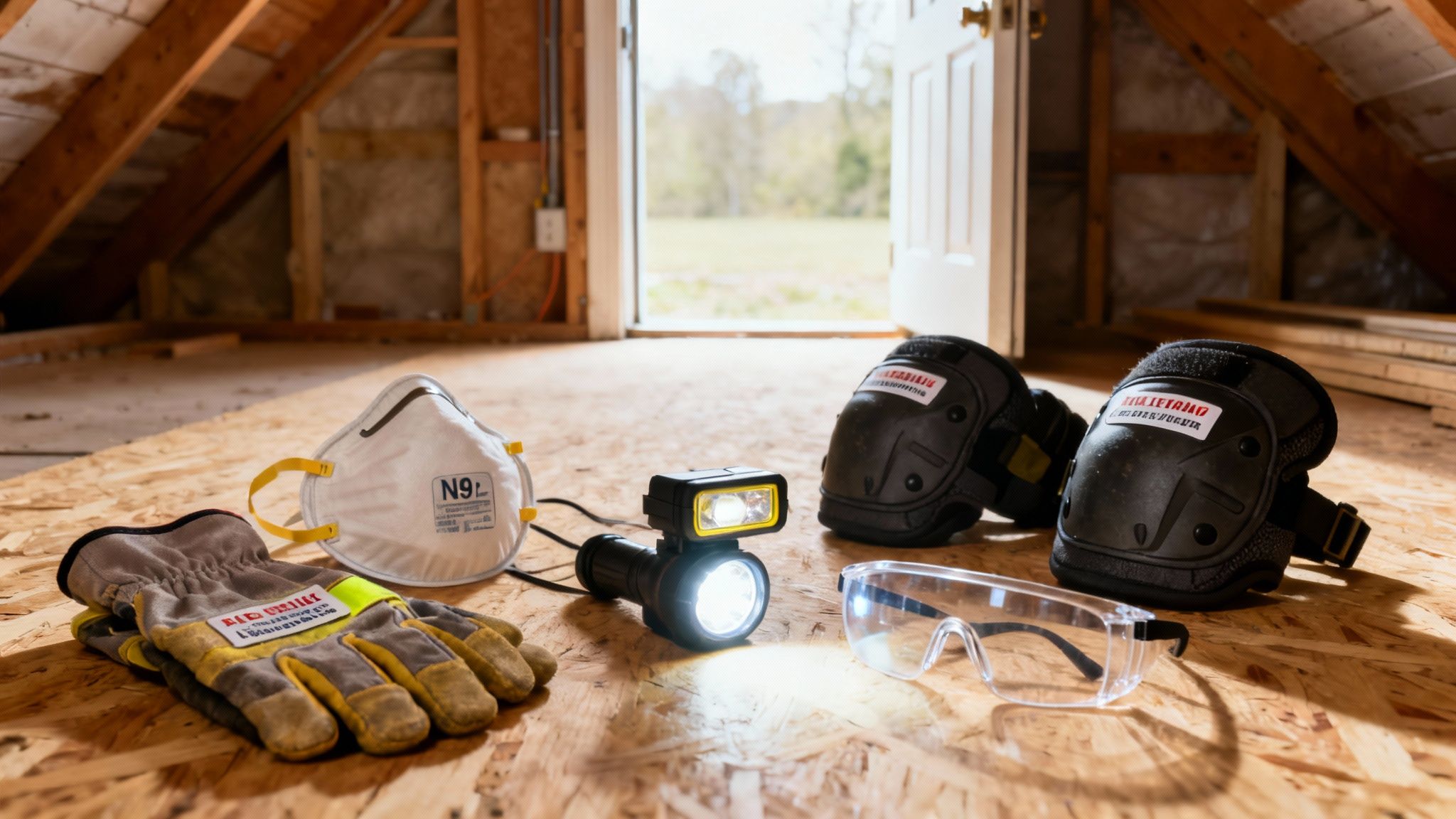
Before you dive in and start hauling boxes, taking an hour to get ready can make all the difference. Prepping isn't just about being efficient- it's about keeping yourself safe. Attics are tricky environments, often packed with years of dust, poor lighting, and unexpected obstacles.
The first move is to gather your safety gear, and this isn't the place to skimp. You're about to face down decades of settled dust, allergens, and maybe even tiny fiberglass particles from old insulation. You definitely don’t want to be breathing that stuff in.
Here's your non-negotiable safety kit:
A high-quality mask: An N95-rated mask is a must-have for filtering out fine dust and other airborne junk.
Durable gloves: Think heavy-duty work gloves. They’ll save your hands from splinters, rusty nails, and whatever else is hiding in those boxes.
Eye protection: A simple pair of safety glasses or goggles will shield your eyes from falling debris and dust clouds.
Sturdy, closed-toe shoes: Boots with a good grip are perfect for navigating uneven floorboards and avoiding stray nails.
Once your personal gear is sorted, think about the environment itself. Attics are notoriously dark, so bring in more light than you think you’ll need. A couple of bright, portable work lights will do wonders for spotting hazards in forgotten corners.
Assess Your Attic Environment
Before you start the heavy lifting, take a few minutes to do a quick but thorough sweep of the space. Especially in older Des Moines homes, attics can hide structural issues you'll want to find right away. Look for weak or sagging floorboards, and if you don’t have a solid floor, always step directly on the joists.
Check for signs of unwelcome guests. Pest droppings or nests are a clear signal to proceed with extra caution. Also, keep an eye out for exposed wiring or nails sticking out of beams. Clearing a safe, walkable path from the entrance is a simple move that prevents a world of trouble.
Good ventilation is another game-changer. If you can, open a window or set up a fan to get the air circulating. This helps clear out the dust you're about to stir up. All that airborne grime can settle elsewhere in your house, which is why it's smart to check out these helpful solutions for dusty air vents in your home after the project is done.
The best time to tackle this project in Iowa is during the milder spring or fall months. An attic during a sweltering July afternoon can reach dangerous temperatures, making the work exhausting and unsafe.
Finally, never work alone. Having a partner to help move heavy items, hold a ladder, or just be there in case of an accident is the smartest safety call you can make. With the right gear and a cautious approach, you can make sure your attic cleanout is productive and completely incident-free.
The Best Way to Sort and Declutter

This is usually the toughest part of the job. Every box you open forces you to make a decision, and it’s easy to get stuck second-guessing yourself. To keep things moving, you need a system. The most straightforward approach we’ve found is the Four-Box Method. It’s simple, direct, and cuts through the indecision.
First, find a clear spot and set up four large boxes or create four distinct piles. Give them clear labels: Keep, Donate/Sell, and Discard. The rule is simple: every single item you touch must go into one of these piles. No exceptions.
This process does more than just clear out junk; it has a real impact on your home’s health. Allergens love to hide in dusty attics, and getting rid of them is a big win for your family. In fact, since the pandemic, 62% of homeowners now prioritize deep cleans for health and wellness reasons.
For property managers and realtors in competitive markets like Johnston, a pristine attic can make a surprising difference, sometimes boosting a home's sale price by up to 5%. You can learn more about recent cleaning service trends to see how deep cleaning impacts property values.
Making Quick Decisions
The whole point of this method is to make swift, confident choices. Don't let yourself get bogged down by nostalgia. Here’s a quick guide to keep the sorting process painless.
Keep Pile: This is reserved for things you actually use, items with powerful sentimental value, or true family heirlooms. Ask yourself, "Have I used this in the last year?" If not, it probably doesn't belong here.
Donate/Sell Pile: If something is in good shape but you just don’t need it anymore, this is where it goes. Think old furniture that’s still solid, clothes the kids have outgrown, or those duplicate kitchen gadgets.
Discard Pile: This one is for anything broken, damaged beyond repair, expired, or just plain junk. Be ruthless here. The goal is to reclaim your space, not just shuffle clutter around.
How to Handle the "Keep" Pile
Once you’ve sorted everything, it's time to organize what’s staying for the long haul. Ditch the cardboard and invest in clear, sturdy plastic bins with tight-fitting lids. They do a much better job of protecting your belongings from dust, moisture, and pests.
Group similar items together- put all the holiday decorations in one set of bins, and sentimental photos in another. Label every single bin on multiple sides. Trust me, this small step now will save you from having to dig through everything next time you’re looking for that festive wreath.
What to Do with Everything Else
Now, let's deal with the items leaving your home for good.
For the donate pile, local spots in Des Moines and Ankeny like Goodwill or the Salvation Army are great options. If you have more valuable items, consider listing them on Facebook Marketplace to find local buyers.
The discard pile can be the trickiest. If you're dealing with a large amount of junk or bulky things like an old mattress, you might need to hire a junk removal service. It’s an extra cost, but it saves you the massive headache of figuring out disposal logistics on your own.
Deep Cleaning the Space from Top to Bottom
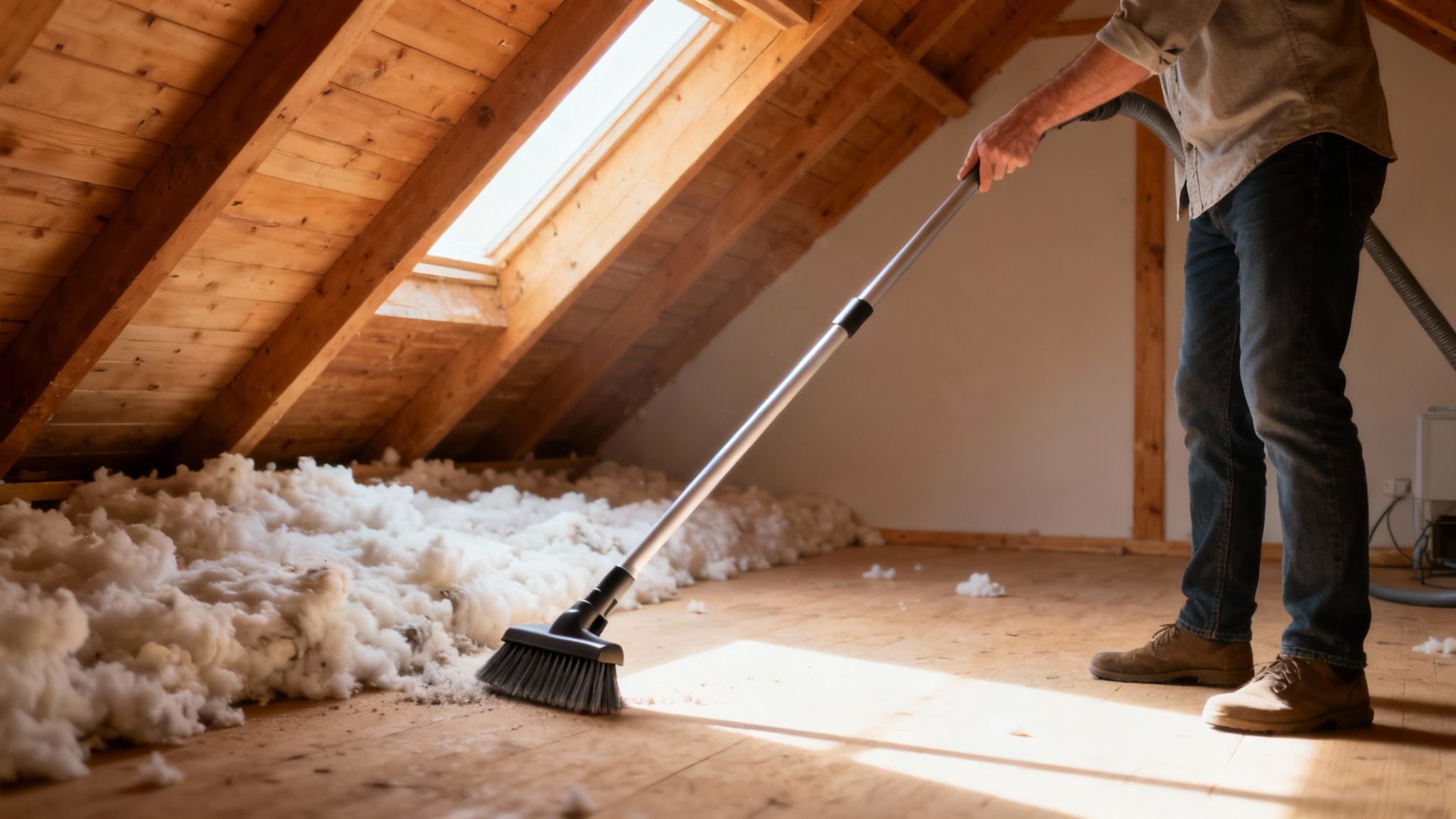
With all the boxes and forgotten treasures finally out of the way, you can see the space for what it is. This is your chance to tackle the years of accumulated dust and grime- a huge step in improving your home’s overall air quality. A deep cleaning for your Des Moines attic is about more than just appearances; it's about creating a healthier environment from the top down.
Start by working from the highest point and moving downward. A shop vacuum with a brush attachment is your best friend here. Use it to clear away cobwebs and dust from the rafters, collar ties, and any exposed beams. Don't be surprised by what you find. Especially with the spring pollen buildup in Iowa, a thick layer of dust can settle on every single surface.
This is a significant task, as attics are serious dust magnets. Roughly 40% of American homes have attics, and it's estimated that 80% of them accumulate dust at a rate of one to two inches per decade. For homeowners in Altoona dealing with allergies, a professional cleaning that reduces airborne particles by 90% can make a world of difference.
Wiping Down Surfaces and Tackling Floors
After vacuuming the high spots, it’s time to move on to the walls and any flat surfaces. A simple bucket of warm water with a mild detergent is usually all you need to wipe everything down. Be sure to pay close attention to areas around vents or windows, where dirt and grime love to build up.
The floor will likely be the dirtiest part of the entire attic. Use your shop vacuum to get up all the loose debris, focusing on corners and edges where it settles. If your attic has a solid wood or plywood floor, you can follow up with a damp mop to capture any remaining fine dust.
Key Areas to Inspect While You Clean
A deep clean provides the perfect opportunity to give your attic a quick health checkup. As you work, keep an eye out for anything that looks out of place.
Signs of Pests: Look for droppings, nests, or chewed materials. Finding evidence of past visitors is common, but active signs mean you should call an exterminator before going any further.
Moisture or Water Stains: Check the underside of the roof sheathing and around any vents or pipes for dark stains or discoloration. This could be the first sign of a roof leak that needs attention.
Insulation Condition: Look for insulation that is damp, compressed, or missing altogether. Properly installed insulation is crucial for your home's energy efficiency, especially during our tough Iowa winters.
A thorough attic deep clean is a big job, but it’s a crucial final step. For a more detailed breakdown of what a comprehensive cleaning involves, check out our guide on the ultimate professional deep cleaning checklist for Des Moines homes.
When to Call a Professional Cleaning Service
Sometimes, the smartest move in a DIY project is knowing when it’s not a DIY project anymore. Cleaning out the attic can quickly go from a simple weekend task to a massive undertaking. Recognizing the signs that you’re in over your head saves you time, stress, and a few potential safety risks.
While the satisfaction of doing it yourself is great, there are clear moments where calling for house cleaning in Des Moines IA is the best decision for your home and your sanity. Hiring an expert isn’t giving up; it’s a strategic choice to get the job done right.
The Overwhelm Factor
This is the most common reason homeowners in Des Moines reach out to us. You open the attic hatch, see a mountain of boxes and forgotten stuff stretching from wall to wall, and immediately feel defeated.
If the sheer volume is too much to handle or you don't have the physical ability to haul heavy items up and down a ladder, a professional team is the answer. We come in with a plan and the right equipment to efficiently clear the space, turning a multi-weekend nightmare into a single-day project.
When You Discover Health or Safety Hazards
Your attic can hide more than just old photo albums. Certain discoveries should be an immediate red flag, signaling that it’s time to stop what you're doing and call for backup.
Here are some serious issues that really need a professional touch:
Significant Mold or Mildew: If you see large patches of mold or notice a strong, musty smell that won't go away, it's a health risk. Professionals have the right protective gear and cleaning agents to handle it safely.
Widespread Pest Infestations: Finding droppings, nests, or chewed-up boxes points to a serious pest problem. A cleaning service can manage the cleanup after an exterminator has dealt with the infestation itself.
Structural Concerns: If you notice sagging joists, water damage on the roof sheathing, or questionable wiring, it’s best to leave the area and consult with specialists.
Don’t risk your health or safety. When you run into hazardous materials or signs of a serious infestation, it’s always better to let trained professionals with the right equipment take over the cleaning process.
Preparing for a Home Sale or Move-Out
Timing is everything when you're moving. If you’re preparing your home for sale in a competitive market like Waukee or trying to get your security deposit back on a rental, a professionally cleaned attic can make a huge difference.
Realtors often advise that a clean, empty attic makes the home feel larger and better maintained. For renters, a thorough move-out clean is essential. We handle the dirty work so you can focus on your move.
To learn more, check out your guide to move-out cleaning services in Des Moines for tips on making your transition seamless. When you need a fast, reliable cleanout that leaves your space spotless, give Shiny Go Clean a call at (515) 446-9726.
Your Top Attic Cleanout Questions Answered
We get a lot of calls from homeowners around the Des Moines metro who are staring down the barrel of a big attic project. It’s a job that feels huge, and it’s smart to get all the details before you even start pulling down that ladder. Here are some of the most common questions we hear, with answers straight from our experience.
How Much Will It Cost to Clean Out My Attic in Des Moines?
The price for an attic cleanout can swing quite a bit, and it really boils down to two things: how big your attic is and how much stuff is crammed in there.
If your attic is already mostly empty and just needs a deep clean- think vacuuming, wiping surfaces, and getting rid of years of dust- you’ll be on the lower end of the cost spectrum.
But if you’re looking at a full-blown cleanout with a ton of junk to haul away, the price will naturally go up. The more things we have to sort, bag, and carry out, the more labor is involved. At Shiny Go Clean, we stick to flat-rate pricing for our deep cleaning and move-out services because we believe in being upfront. You’ll know the full cost before we start, with no surprises.
The best way to get a real number for your project in Des Moines is to just give us a call. We can talk through what you need and give you a clear, fair quote.
How Long Does an Attic Cleanout Actually Take?
This is the one that catches everyone by surprise. It’s so easy to underestimate how much time this job will eat up.
If you decide to tackle it yourself, even a small attic with a moderate amount of clutter can easily consume your entire weekend. For a bigger space or one that’s packed to the rafters, you could be looking at a project that stretches across several weekends before it’s truly done.
This is where calling in a pro makes a massive difference. Our team at Shiny Go Clean has this down to a science. We can often knock out a full attic cleanout in a single day because we have the crew and the system to work efficiently. That speed is a real lifesaver, especially when you’re on a tight deadline for a move-out clean in West Des Moines.
What Are the Biggest Safety Risks Up There?
Your safety has to be the top priority. The attic is not a normal room, and the hazards are real. The most common issues we run into are tied to the environment itself. Poor lighting is a huge one- it’s incredibly easy to trip over something you didn’t see or misjudge where you’re stepping.
Air quality is another serious concern. Attics are magnets for dust, mold spores, and fiberglass particles from insulation. You do not want to be breathing that stuff in, which is why an N95-rated mask is non-negotiable.
A crucial word of caution: watch where you step. In many attics, the only thing between you and the living room below is the ceiling drywall between the joists. One wrong step can send you crashing through, leading to serious injury and a very expensive repair.
On top of that, keep an eye out for signs of pests, any frayed or exposed electrical wiring, and be prepared for the intense heat that builds up during an Iowa summer. Working in those conditions without the right gear and precautions can be flat-out dangerous.
Can I Just Toss Everything from My Attic in the Trash?
If only it were that simple. While a good amount of old junk can probably go into your weekly bin, a lot of what people store in attics needs special disposal.
Here are a few things that you can’t just throw out:
Electronics: Old TVs, computers, and other e-waste are banned from landfills.
Chemicals: Things like old paint cans, solvents, or pesticides are considered hazardous waste.
Bulky Items: Large furniture pieces or leftover construction debris often need a special pickup.
The City of Des Moines has specific rules for getting rid of these items. For a large volume of junk, you’ll probably need to schedule a special collection or hire a dedicated junk removal service. And of course, we always suggest donating anything that’s still in good shape. It’s a great way to help out local charities and keep usable items out of the landfill.
Ready to reclaim your space without the hassle and hard work? Shiny Go Clean provides professional deep cleaning services that can handle the final, grimy stage of your attic project, leaving you with a fresh, clean space. Book your Des Moines attic deep clean online in 60 seconds!
Comments